

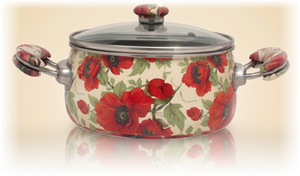

Steel Enamel (EOS) Benefits — Why Enamel Cookware?
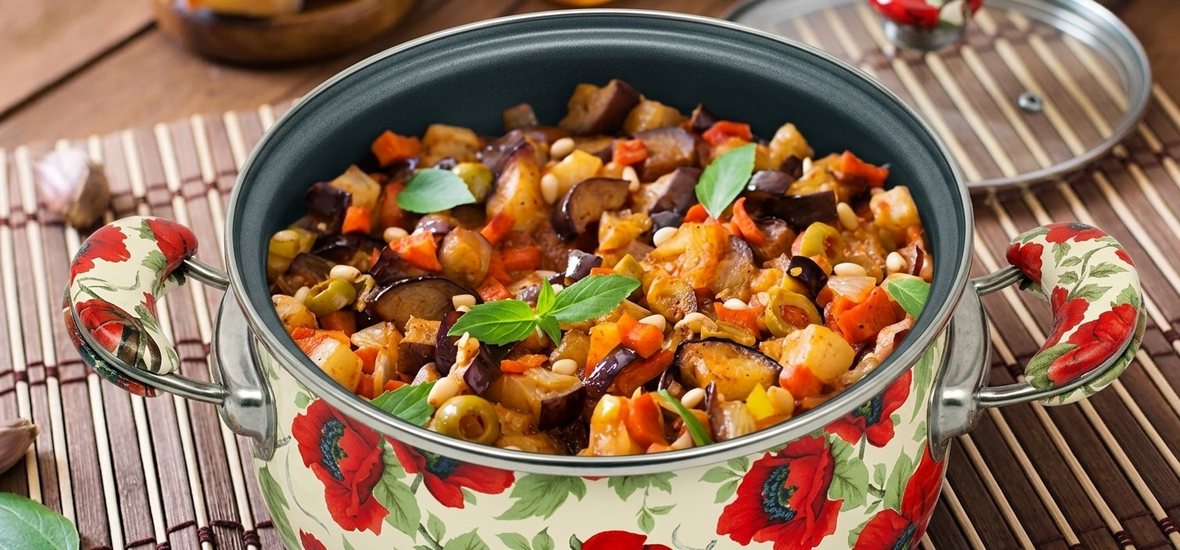
We use enamel for more than looks: the glassy surface is the simplest and most durable barrier there is between your food and the metal of the pan.
Your food never touches the metal
The enamel coating prevents chemicals in the metal interior from leaking into your meals and reacting with acidic ingredients in foods. Also, the taste of your food does not change.
As long as the coating remains in good condition, the cooking surface is completely safe for cooking, marinating and serving food — even for long, slow dishes with tomato, lemon or vinegar.
It withstands 800°C
It ensures that your meals are healthy by showing resistance to 800° heat on the interior and exterior surfaces. Moving from hob to oven, leaving a casserole in the embers or finishing a dish under the grill does the surface no harm.
That tolerance comes from firing the enamel at around 800°C; the steps are in our what is EOS article.
Non-porous: it holds no smell or taste
Thanks to its glassy structure and coating, it prevents direct contact of food products with metal.
A non-porous surface absorbs neither fat nor spice: cook fish in the morning and rice pudding in the evening in the same pot. For the same reason enamel storage containers stop smells travelling in the fridge.
Easy to clean and keep
Enamel surfaces are smooth, easy to clean and maintain. Warm water and a soft sponge are usually enough; for anything caught on the base, a soak finishes the job.
Full advice is in our care guide article and in the user manual.
Durable and long-lived
It is of high quality as well as its durability. It is much more successful than many metals in human health because of its high calcification, rusting, wear and corrosion resistance.
Used properly an enamel pot lasts for decades, which is why we repeat our durability tests for every series.
In short
| Property | Steel enamel (EOS) |
|---|---|
| Heat resistance | 800°C — hob, oven and embers |
| Food contact | Glass surface; no metal transfer |
| Acidic dishes | Fine (tomato, lemon, vinegar) |
| Induction | Yes — magnetic steel body |
| Smell / taste carry-over | None, the surface is non-porous |
| Care | Soft sponge; no abrasive powders |
Frequently asked questions
Can I cook acidic food in enamel?
Yes. The glass surface does not react with acid, so tomato, lemon or vinegar dishes keep their taste even after long cooking.
Is enamel cookware dishwasher safe?
It can go in, but we recommend hand washing for a longer life; machine detergents dull the gloss over time.
What if the enamel chips?
Bare steel is exposed and will rust in damp. Do not cook in a pot whose coating is damaged.
Enamel or stainless steel?
Stainless is tough, but food meets the metal directly and sticks more easily. In enamel the cooking surface is glass: gentler heat and easier cleaning.